
A marketing funnel is one of the best ways to turn strangers into loyal customers, and building one that converts can boost your sales by up to 30 percent. In today’s digital world, a solid marketing funnel helps you guide people through their buying journey, from first hearing about your brand to making a purchase. This guide covers everything you need to know about creating a marketing funnel that works for your business, whether you’re in e-commerce, services, or any other industry.
By the end, you’ll have a step-by-step plan to design, test, and improve your marketing funnel. Let’s break it down so you can start seeing results right away.
What a Marketing Funnel Is?
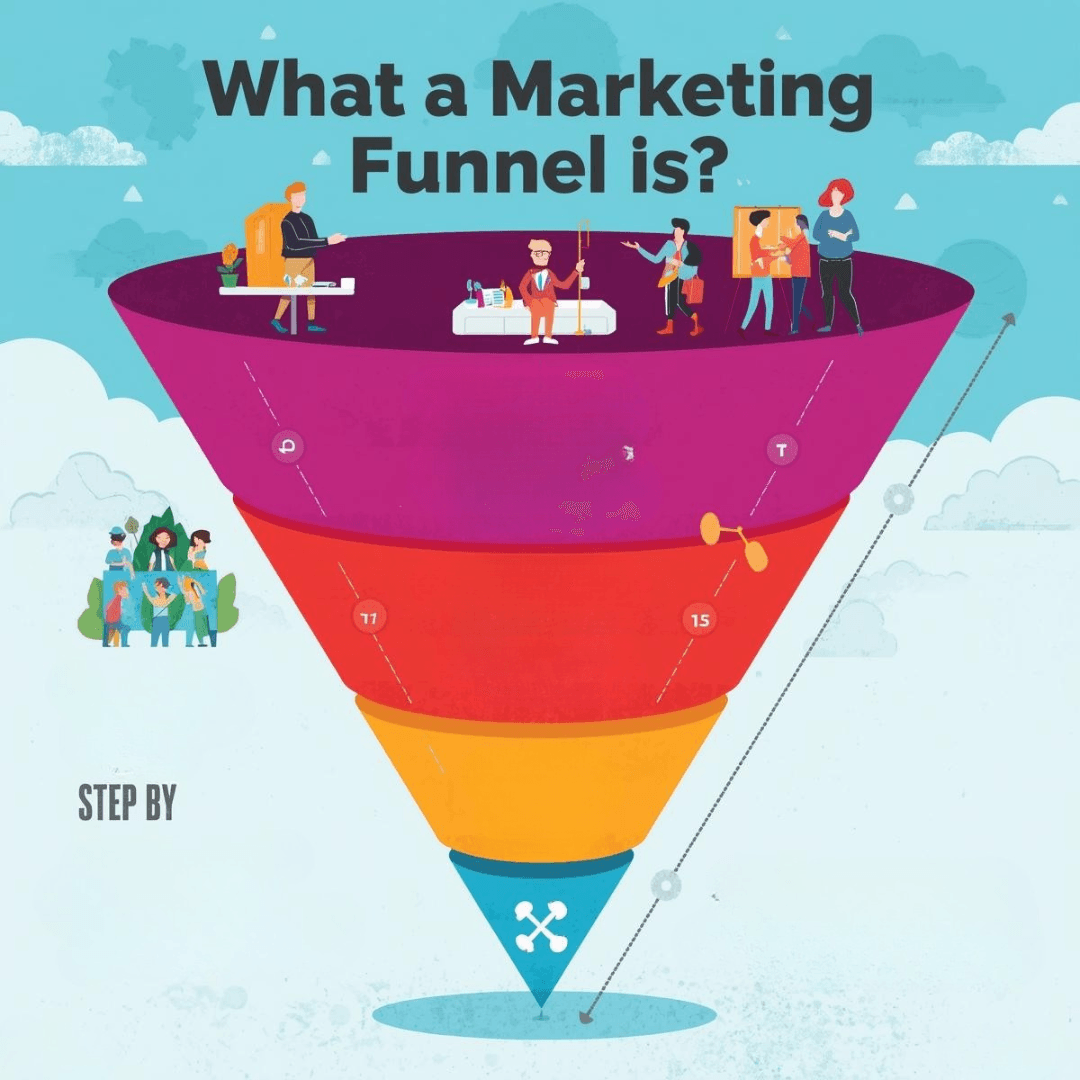
A marketing funnel is a process that shows how potential customers move from awareness to action. It starts with people who don’t know your brand and ends with those who buy or become repeat customers. Think of it like a real funnel: wide at the top to attract many people and narrow at the bottom to focus on those ready to convert.
In simple terms, a marketing funnel includes stages like attracting visitors, building interest, nurturing leads, and closing sales. For example, a digital marketing funnel might use social media ads to draw people in, then emails to keep them engaged, and finally a special offer to seal the deal. It’s all about guiding users smoothly toward a goal, like signing up or buying a product.
Why a Marketing Funnel Matters for Your Business?
In the world of digital marketing, a marketing funnel is essential because it helps you organize your efforts and measure success. Without one, you might waste time on ads that don’t lead to sales. Here’s why building a marketing funnel that converts is so important:
- It boosts efficiency: A good funnel targets the right people at the right time, cutting down on wasted spending.
- It increases conversions: Studies show that businesses with optimized funnels can see conversion rates rise by 20 to 50 percent.
- It builds relationships: In a global market, funnels help you connect with audiences in places like Asia, Europe, or Africa by tailoring messages to their needs.
- It provides insights: You can track where people drop off and fix issues, making your marketing smarter over time.
- It supports growth: For small businesses or startups, a marketing funnel offers a clear path to scale, turning one-time buyers into loyal fans.
Overall, a marketing funnel that converts isn’t just a tool – it’s a strategy that drives real results in competitive digital marketing.
How a Marketing Funnel Works?
A marketing funnel works by breaking the customer journey into stages. It starts broad and gets specific, using different tactics at each step. The classic model includes awareness, interest, decision, and action, but you can adapt it for your goals.
For instance, in a digital marketing funnel, you might use blog posts for awareness and personalized emails for the decision stage. The key is to move people forward with relevant content and offers. Modern funnels also use data and AI to personalize experiences, making them more effective for global audiences.
Step-by-Step Strategy to Build a Marketing Funnel That Converts
Now let’s get into the practical part. Follow these steps to create a marketing funnel that turns leads into customers. We’ll keep it simple and actionable, with examples from real businesses.
Step 1: Define Your Goals and Audience
Start by knowing what you want to achieve. Do you want more email signups, sales, or app downloads? Set clear goals, like “get 100 new leads per month.”
Next, understand your audience. Who are they? What problems do they have? Use tools like surveys or Google Analytics to gather data. For a global audience, consider cultural differences – for example, people in the US might respond to direct offers, while those in Japan prefer subtle approaches.
Action tip: Create buyer personas. For a fitness brand, your persona might be “Alex, a 30-year-old professional in Europe who wants quick workouts.”
Step 2: Map Out the Funnel Stages
Build your marketing funnel around the main stages:
- Awareness: Attract visitors with content like blog posts or social media. Use SEO to rank for keywords like “marketing funnel tips.”
- Interest: Engage them with valuable info, such as ebooks or webinars. This is where lead generation strategies shine.
- Decision: Nurture leads with emails or retargeting ads that address objections and highlight benefits.
- Action: Encourage conversions with offers like discounts or free trials.
Example: An e-commerce site might use Instagram ads for awareness, email newsletters for interest, and a checkout page with testimonials for action.
Step 3: Choose the Right Channels and Tactics
Select channels that match your audience. Popular ones include:
- Social media (Instagram, LinkedIn) for awareness.
- Email marketing for nurturing.
- PPC ads (like Google Ads) for decision-making.
- Your website for the final action.
Incorporate conversion optimization techniques, such as A/B testing headlines or CTAs. For global reach, use tools that translate content and target specific regions.
Pro tip: Integrate AI for personalization, like recommending products based on browsing history.
Step 4: Create Compelling Content for Each Stage
Content is the heart of your marketing funnel. Tailor it to each stage:
- Awareness: Use blog posts or videos to educate. Write about “how to build a marketing funnel” to attract searches.
- Interest: Offer lead magnets like checklists or guides.
- Decision: Share case studies or comparisons.
- Action: Use urgent CTAs like “Buy now and save 20%.”
Keep content readable and engaging – use short sentences, bullet points, and stories. For example, a travel company might share a blog on “top destinations” to build awareness, then send personalized emails with deals.
Step 5: Set Up Tracking and Automation
Track everything to see what’s working. Use tools like Google Analytics to monitor metrics such as traffic, conversion rates, and drop-off points.
Automate where possible:
- Email sequences for nurturing leads.
- Retargeting ads for users who abandon carts.
- CRM software to manage contacts.
This step ensures your marketing funnel runs smoothly and adapts to trends in digital marketing.
Step 6: Test, Analyze, and Optimize
No funnel is perfect at first. Run tests on elements like email subjects or landing pages. Analyze results weekly and make changes based on data.
For instance, if your conversion rate is low, simplify forms or add trust signals like reviews. Over time, this optimization can double your funnel’s effectiveness.
Tools You’ll Need for Your Marketing Funnel
To build a marketing funnel that converts, use these reliable tools:
- HubSpot or Mailchimp: For email automation and CRM.
- Google Analytics and Hotjar: To track user behavior and identify drop-offs.
- Canva or Adobe Express: For creating visuals and content.
- Facebook Ads Manager: For targeted ads and retargeting.
- SEMrush or Ahrefs: For SEO and keyword research in your marketing funnel.
- Zapier: To connect tools and automate workflows.
Start with free versions to keep costs low, especially for small businesses in emerging markets.
Common Mistakes to Avoid When Building a Marketing Funnel
Even with a great plan, pitfalls can happen. Here’s how to steer clear:
- Ignoring your audience: Not tailoring content can lead to low engagement. Always research first.
- Overcomplicating the funnel: Too many steps frustrate users. Keep it simple.
- Neglecting mobile users: Most people browse on phones, so test for mobile-friendliness.
- Forgetting to follow up: Leads can go cold without nurturing emails.
- Skipping tracking: Without data, you won’t know what’s failing.
By avoiding these, your marketing funnel will run more smoothly and convert better.
Your Marketing Funnel Checklist
Use this checklist to build and launch your funnel:
- Define clear goals and audience personas.
- Map out the four main stages (awareness, interest, decision, action).
- Select channels and create tailored content.
- Set up tracking and automation tools.
- Test elements like CTAs and emails.
- Analyze data and optimize weekly.
- Ensure content is global-friendly and readable.
- Add personalization for better conversions.
- Review for common mistakes.
- Launch and monitor results.
Wrapping It Up
Building a marketing funnel that converts is a game-changer for any business. It helps you attract the right people, guide them through their journey, and turn them into customers. By following the steps above, incorporating tools, and avoiding common errors, you’ll create a funnel that fits your goals and adapts to trends in digital marketing.
Remember, the best funnels are flexible and user-focused. Start small, test often, and watch your conversions grow. Digital marketing funnels like this one can make a big difference in reaching global audiences and achieving long-term success.
If you’re ready to dive deeper, this foundation will set you up for wins. Try implementing one stage today and build from there.
FAQ
What is a marketing funnel and why does it matter?
A marketing funnel is a step-by-step process to guide potential customers from awareness to purchase. It matters because it helps track progress, improve conversions, and make your marketing more effective in a competitive digital world.
How long does it take to build a marketing funnel that converts?
It can take a few weeks to a few months, depending on your business size. Start with planning and testing, then refine based on results for the best outcomes.
What tools are best for beginners in building a marketing funnel?
For beginners, try free tools like Google Analytics for tracking and Mailchimp for emails. They are easy to use and help you get started without a big investment.
How can I make my marketing funnel work for global audiences?
Focus on personalization, like translating content and targeting specific regions. Use data to understand cultural preferences and test campaigns in different markets.
What are common signs that my marketing funnel isn’t converting?
Signs include low traffic, high drop-off rates, or few sales. Check your analytics, simplify the process, and add engaging content to fix these issues.